
Opt-out HIV Testing and Consent: Health+Law Research Featured on UNSW Newsroom
Could the language of ‘opt-out’ HIV testing create confusion about informed consent?
A new UNSW Newsroom article explores recent Health+Law research examining the legal implications of clinician-initiated ‘opt-out’ HIV testing in Australia. The article features Health+Law Research Lead Associate Professor David Carter explaining both the potential public health benefits alongside the legal and ethical risks of the opt-out model.
No Medicare, No Problem: New Resources Support Migrants and Visitors Living with HIV to Access Care and Vital Information
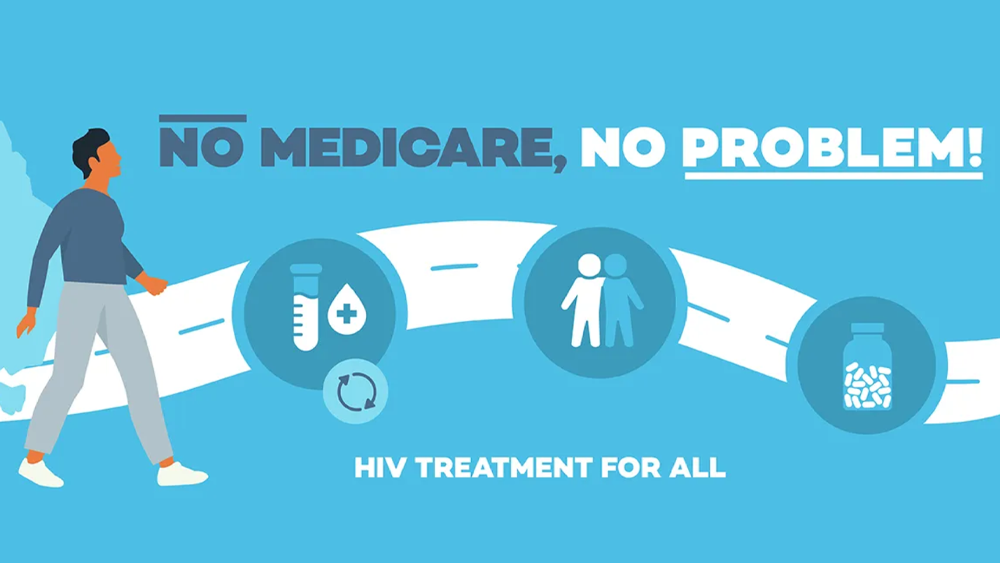
Many people living with HIV who are in Australia on temporary visas assume they can’t access free or subsidised HIV-related care, including treatment. Some who are on student visas – or even just contemplating study in Australia – imagine that people living with HIV either can’t get a student visa or complete a degree in Australia. And, of course, many people assume it would be impossible to become a permanent resident in Australia if you are living with HIV.

New BBV Legal-Health Literacy Training for Lawyers and Migration Agents
Do you support clients living with HIV, hepatitis C or hepatitis B? Or clients living with disability, mental health challenges and/or other chronic health conditions? If so, you know that legal matters and health conditions often intersect. This can then shape clients’ capacity to access legal, migration and other services, and resolve their matters. Some of these intersections between health and law can become quite complex to navigate – for clients themselves but also for their legal or migration representative. And they can exacerbate the impact a legal issue has. What does it take to provide legal and migration services that are genuinely responsive to the needs of people living with blood-borne viruses and other conditions?

Independent Review Recommends Inquiry on Life Insurance for People Living with Blood-borne Viruses
Despite the significant medical and public health developments related to blood-borne viruses over the past decade, access to life insurance remains difficult, stressful, and often deeply discriminatory for people living with HIV, hepatitis B and hepatitis C.
New Impact Story: Hepatitis Australia’s Lucy Clynes Reflects on Evidence, Advocacy and the Health+Law Partnership
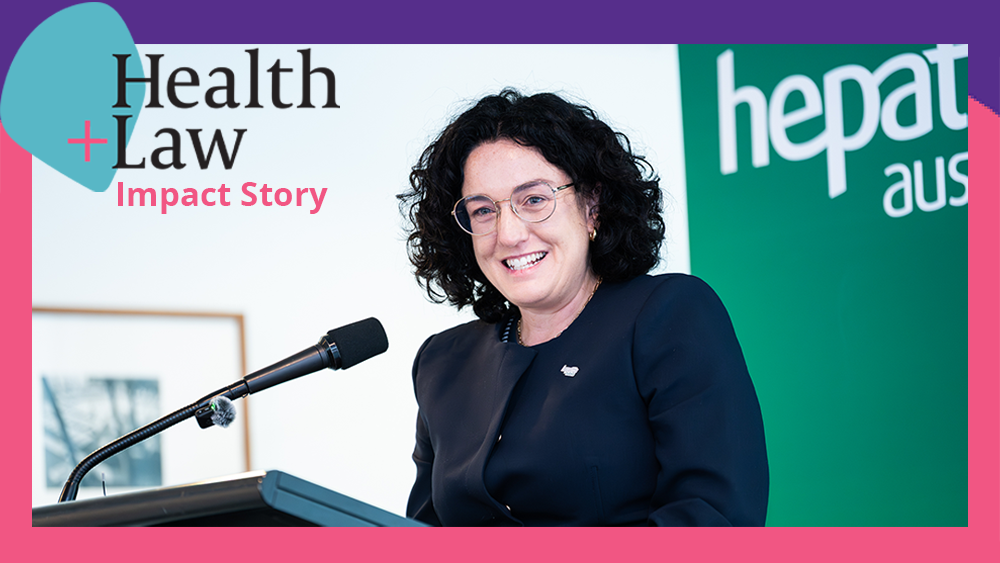
‘Before this project there was no measurement of the socio-legal impact of living with hepatitis B’.
For Lucy Clynes, CEO of Hepatitis Australia and partner investigator in the Health+Law research partnership, a large part of the significance of this work begins with the enormous gap in knowledge about the social, structural, lived experiences of people living with hepatitis B – including the legal issues they face.

When STIs Meet Criminal Law
In May, Health+Law Research Lead Associate Professor David Carter co-wrote an article with Associate Professor Bridget Haire for The Conversation, discussing a recent Canberra case of a man convicted of transmitting genital herpes to a sexual partner. The case is believed to be an Australian first.
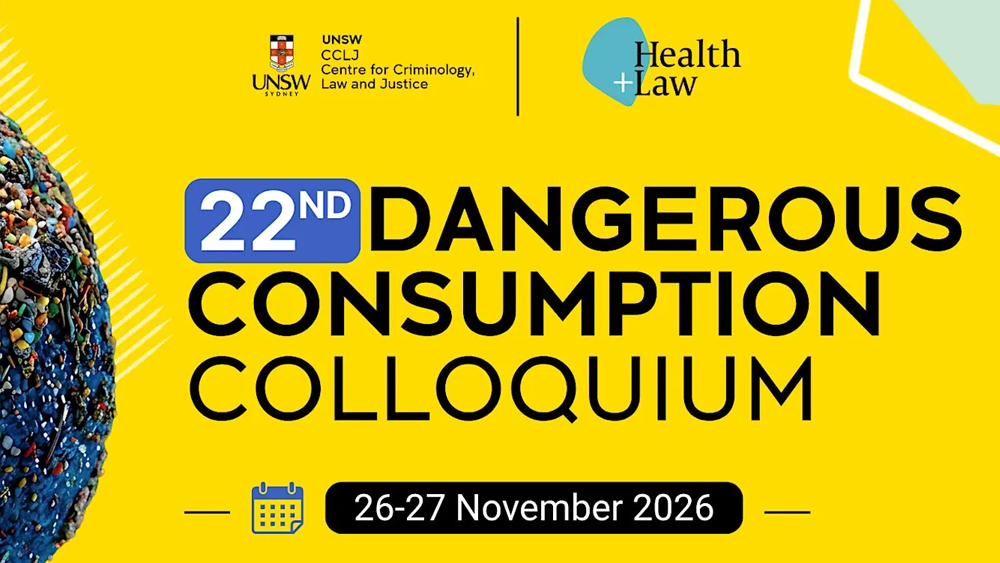
On Risk, Regulation, Drugs, Desire and More – Dangerous Consumptions Comes to UNSW
Across humanities, social science, socio-legal and other disciplines, few concepts are as persistent – or as contested – as ‘danger’ and ‘risk’. Questions about how danger and risk are mobilised and (re)constructed in ever shifting (and increasingly uncertain) systems of governance are at the heart of so many contemporary research inquiries, from public health and drug law and policy, to media, culture and beyond.

Introducing the LIVES Panel – a National Platform to Support Lived Experience Research
There’s growing recognition that people affected by blood-borne viruses should play a central, meaningful role in shaping the knowledge, priorities and decisions that influence their lives. Our national strategies emphasise this, and it is increasingly recognised across research, service, law, policy and community spheres.
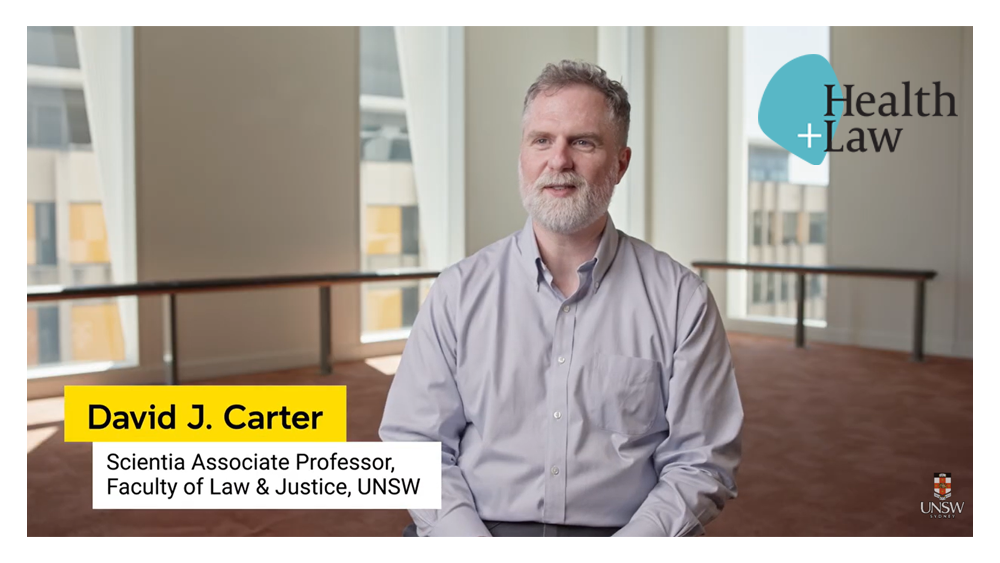
Health+Law Explained
People living with HIV and hepatitis B experience legal problems at far higher rates than the general population – and it’s not because of the viruses themselves.
In this 5-minute video, Health+Law research lead Associate Professor David Carter describes how the law can create everyday challenges for people living with blood‑borne viruses.

Introducing a New National Network for Lawyers and Migration Agents Supporting Clients Living with Blood-borne Viruses
Health+Law’s recent Legal Needs Study (LeNS), which involved more than 140 in-depth interviews and a survey of over 1000 participants, documented the everyday experiences of law among people living with HIV and hepatitis B across Australia. Among other things, this included what people think makes a ‘good lawyer’ or a ‘good migration agent’, particularly when legal issues emerge that are related to – or made more complex by – the experience of living with a blood-borne virus.

When Patients Have Legal Issues: Introducing Two Groundbreaking New Tools for Healthcare Workers
People are far more likely to see a healthcare worker than a lawyer. Community nurses, GPs and other kinds of professionals in the primary healthcare workforce are also often a trusted, familiar or regular point of contact, offering people a place where they feel safe to raise problems, including – potentially – legal ones. This places healthcare workers in a unique position to recognise when a problem may have a legal dimension, and to guide their patients toward information or support.

Hopeful Legal Futures at the SAANZ Conference in Aotearoa
The Sociological Association of Aotearoa New Zealand (SAANZ) holds an annual conference in different parts of the country to discuss key issues in sociology, both local and international. Perhaps for obvious reasons, these often focus on current and emerging crises – the environmental, geopolitical, welfare and other ‘wicked problems’ of our time. Such crises are so often the bread and butter of academic sociological research, a ‘crisis science’ with subjects ‘emerging from and responding to profound modern social transformations’, as SAANZ describes it.

Health+Law Team Member Interview: Daniel Storer
Health+Law’s mission requires more than legal expertise alone. It requires people who can move between the broader evidence base – to understand what’s happening to people affected by HIV and hepatitis B – and the legal and policy mechanisms that produce those outcomes.
Daniel Storer is a member of the team who brings these capabilities together to understand how law produces health effects for people living with a blood-borne virus in Australia. He brings valuable insights into policy, community partnerships and collaborative projects from several years’ work in the HIV sector, and he honed his qualitative social research skills with a PhD in the School of Population Health at UNSW.

Reasonable Precautions Law, Migration, and Health Policy Futures – David Carter Dissects Burning Legal Issues on the Positive Futures Podcast
At times, HIV disclosure is complicated legal terrain. Although all Australian states and territories differ in their approaches, most now apply a ‘reasonable precautions’ framework rather than requiring people living with HIV to disclose their status in every circumstance. And yet, uncertainties remain. How, for example, does U=U operate in relation to a ‘reasonable precautions’ model? Can PrEP use be considered a ‘reasonable precaution’ under law? What constitutes due diligence when medical and scientific understandings have advanced more rapidly than legal interpretation?

Community Leaders Share Concerns About Hepatitis B and the Law: New Publication Presents an Early Consensus on Priority Legal Issues
Hepatitis B is Australia’s most prevalent blood-borne virus, with nearly 220,000 people estimated to be living with chronic infection. In a recent report called ‘If Hepatitis was 100 People’, Hepatitis Australia spotlit the radical diversity of this population. It includes a high concentration of people who were born overseas (about 70%), typically in parts of the world with higher hepatitis B prevalence or where vaccination programs have historically been limited. Many of these people (about 56%) speak languages in addition to English in their homes. Around 7% are Aboriginal and Torres Strait Islander people, 4% are men who have sex with men, and 3% percent are people who inject drugs.
Health+Law Wins LiverWELL Organisational Collaboration Award
Each year, LiverWELL recognises individuals and organisations that have made an outstanding contribution to the lives of people living with viral hepatitis and liver disease. LiverWELL is Victoria’s peak organisation championing the interests of people affected by or at risk of viral hepatitis and liver disease. The Health+Law team were deeply honoured to be named as a co-winner of this year’s Organisational Collaboration Recognition Award at this year’s LiverWELL awards, which were held in Naarm/Melbourne in October.

Health Justice in Action: How Partnerships Work to Create Meaningful Change
How do law and health intersect? Can healthcare and legal sectors genuinely collaborate to support vulnerable people facing interconnected health and legal problems? What does that look like in practice? These and other questions animated a recent event titled ‘Health Justice in Action: Research, Advocacy and Practice’ focused on why combining legal, health and community expertise matters.

New Publication on the Legal Implications of Clinician-Initiated ‘Opt-Out’ Testing for HIV
Early diagnosis and rapid initiation of treatment lead to better health outcomes for people living with HIV. Achieving these aims supports individual and population health – as both the early detection of HIV and the achievement of undetectable viral load through treatment uptake together support a reduction of HIV transmission in the community, potentially reducing it to zero. This means that access to HIV testing remains a central pillar of HIV health, especially for people and groups who may be at elevated risk of HIV acquisition.

Health+Law Team Member Interview: Ika Yuni Wulansari
Ika Yuni Wulansari joined the Health+Law team in 2024 to work on processing and analysing a huge amount of data from our national legal needs survey. She brings over 15 years’ experience as an applied statistician, including appointments at Statistics Indonesia and as Assistant Professor at Politeknik Statistika STIS, and is currently completing a PhD in the School of Mathematical and Physical Sciences, UTS.
We caught up with Ika to chat about how these various research threads intersect, her work with Health+Law, and what makes her passionate about statistical methods.

People Living with HIV in Australia Report Staggering Burden of Legal Issues: Stark National Findings Shared at Australasian HIV&AIDS Conference
‘Legal issues are a near-universal experience for people living with HIV’, said Associate Professor David Carter to an audience meeting on Kaurna Country in Adelaide last week. A significant majority of participants in Health+Law national research reported at least one legal problem. The study suggests that rates of legal issues among people living with HIV may be more than double the rate experienced by members of the general population in Australia, based on recent legal needs research from Victoria.
“When research brings together the quantitative measurement of an issue with the richness and depth of qualitative conversations, we have the opportunity to enrich the debate around the specific legal and health needs of specific populations within the wider community.”
Dr James Brown, School of Mathematical and Physical Sciences, UTS